Mold is not always visible. In Everett homes, it can start behind drywall, under flooring, inside cabinets, around window trim, or in crawl spaces after moisture sits too long. That matters in a city with damp seasonal weather, waterfront areas, and neighborhoods such as Bayside, Riverside, Delta, Port Gardner, Silver Lake, and Lowell.
If you smell something musty or see stains that keep changing, professional mold remediation can help identify the source, contain the area, and restore safer conditions before the problem spreads.
1. A Musty Odor Keeps Coming Back
A persistent musty smell is one of the most common signs of hidden mold. Homeowners often notice it first in bathrooms, laundry rooms, closets, basements, or near plumbing lines. The smell may be stronger after rain or when a closed room is opened.
In Everett, this can be a concern in homes near the waterfront, older North Everett properties, or houses with limited ventilation. Do not cover the odor with candles or sprays. Check nearby walls, ceilings, cabinets, and baseboards for stains or soft materials. If the smell remains, schedule a mold inspection before the damage spreads. Early service is usually less disruptive than waiting until damage reaches insulation, framing, or flooring layers.
2. Stains, Bubbling Paint, or Soft Drywall Appear
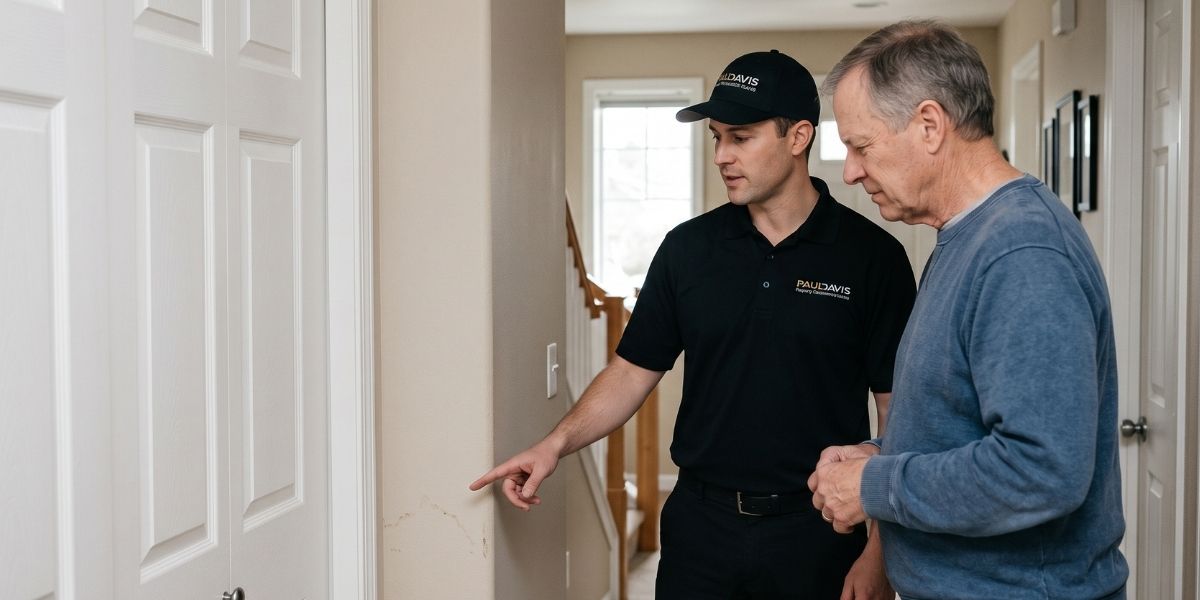
Hidden mold often follows water. Yellow-brown ceiling stains, peeling paint, warped baseboards, soft drywall, swollen trim, or cupped flooring can point to moisture trapped inside building materials. Even when the surface looks dry, the area may have stayed damp long enough for mold growth.
This is important after roof leaks, appliance overflows, window leaks, and plumbing problems. In homes with crawl spaces, older gutters, shaded siding, or rooms built over cooler areas, moisture can linger in places homeowners rarely inspect.
Painting over a stain is not a fix. If the material feels soft, the stain grows, or the wall smells musty, get professional evaluation. Paul Davis Restoration of Greater Seattle provides mold remediation support that focuses on the source of moisture, proper containment, and safe restoration.
3. Allergy-Like Symptoms Are Worse in One Room
Mold can affect indoor comfort, especially when musty air or spores move through a specific room. Some homeowners notice coughing, sneezing, itchy eyes, headaches, or throat irritation that seems worse in one bedroom, bathroom, basement, or home office. Symptoms alone do not prove mold is present, but they matter when paired with odors, stains, or a recent leak.
Watch for patterns. Does one room feel damp? Does the closet smell stale? Do symptoms worsen after the HVAC system runs? These clues can help a professional decide where to inspect first.
A mold inspection can determine whether hidden growth is likely. If mold is found, mold remediation should address the affected materials and moisture source. Cleaning only the visible spot often allows the problem to return.
4. Your Home Had Water Damage Recently
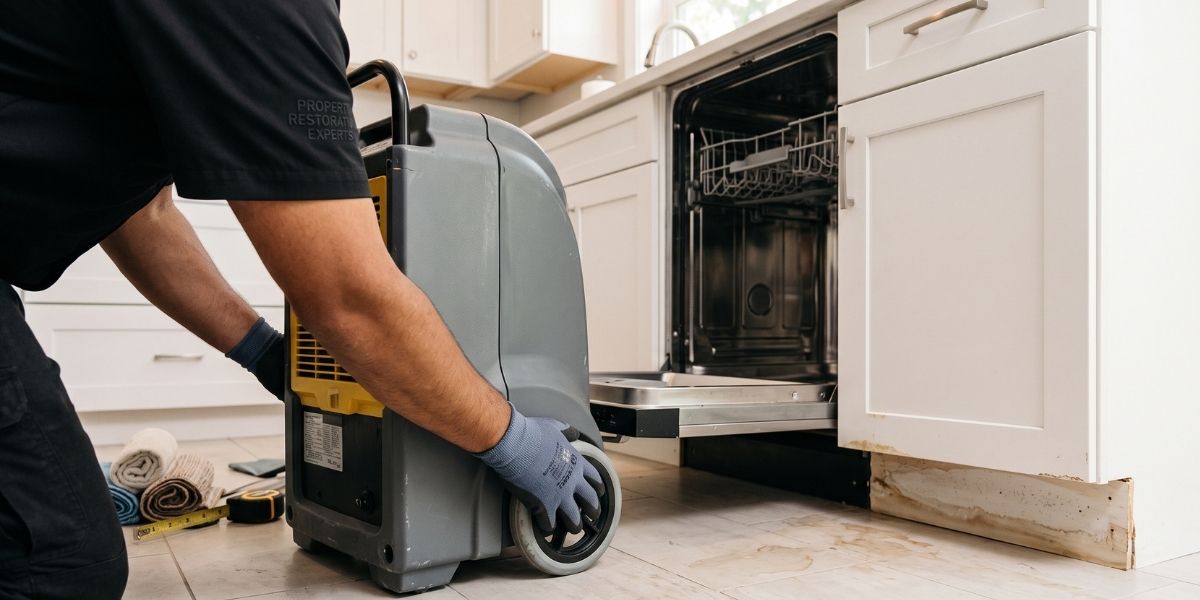
Water damage does not end when the puddle is gone. Wet insulation, subflooring, cabinets, wall cavities, and crawl space materials can hold moisture after a pipe leak, dishwasher overflow, or roof problem. If cleanup only involved towels, fans, or a shop vacuum, hidden materials may still be damp.
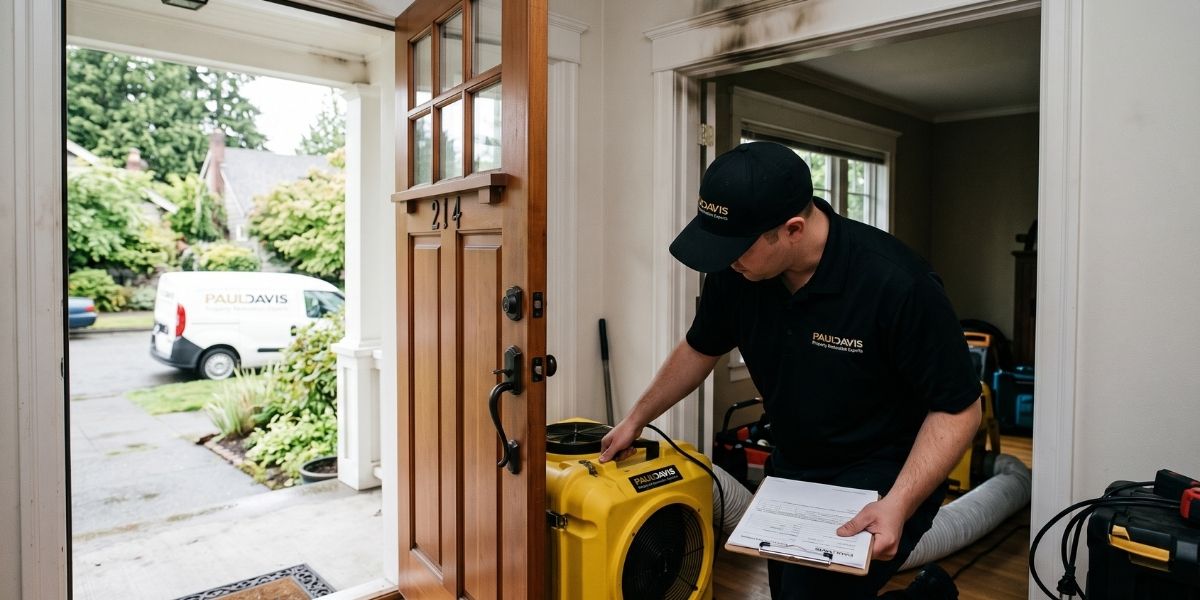
If the original moisture problem is still active, mold can keep spreading behind surfaces, so timely mold remediation matters. For leaks, flooding, or wet building materials, Paul Davis also provides water damage restoration for Everett homeowners. For sudden leaks or urgent damage, local emergency response services can help reduce further damage, start documentation, and protect the property before repairs begin.
5. Mold Keeps Returning After You Clean It
If dark spots return after cleaning, the problem is probably deeper than surface mildew. Reappearing growth usually means moisture is still present or affected materials were not properly dried, cleaned, removed, or contained.
This often happens around bathroom ceilings, window frames, kitchen sink cabinets, attic sheathing, crawl spaces, and exterior walls with poor airflow. In Everett homes near Port Gardner, Silver Lake, Delta, and Riverside, recurring mold should be treated as a warning sign.
Household cleaners may lighten a stain, but they do not solve growth behind drywall or under flooring. Professional mold removal uses containment, protective equipment, cleaning, safe disposal, and moisture checks. Mold remediation also looks at why the area became damp.
Why Everett Homeowners Call Paul Davis
Mold problems are different from home to home. A crawl space concern near Lake Stickney may require a different approach than a bathroom leak in Everett. Paul Davis Restoration of Greater Seattle serves homeowners who need mold remediation in Everett as well as nearby communities such as Lake Stickney, Mukilteo, and Mill Creek.
The team can inspect affected areas, contain the problem, remove unsalvageable materials, and coordinate repairs. If mold damage leads to drywall, flooring, or cabinet repairs, Paul Davis can help with residential remodeling after mold remediation is complete.
Insurance Guidance for Mold Damage
Insurance coverage depends on the cause of the mold and your policy. Mold may be more likely to qualify when it results from a sudden covered event, such as a burst pipe or appliance leak. Long-term humidity or deferred maintenance may be handled differently.
Before removing materials, take photos and videos of stains, damaged items, the water source, and each affected room. Save receipts and note when you first noticed the issue. Ask your insurer whether mold remediation, containment, drying, demolition, testing, and rebuild work are covered. Paul Davis can help document the damage and explain the restoration scope.
FAQ: Hidden Mold Damage in Everett Homes
How do I know if I need mold remediation?
You may need mold remediation if you notice musty odors, recurring spots, water stains, soft drywall, or symptoms in one room.
Is mold removal the same as mold remediation?
Mold removal focuses on growth. Mold remediation is broader because it includes containment, moisture control, cleanup, disposal, and prevention steps.
Should I search for mold remediation near me?
Searching for mold remediation near me can help, but choose a company that understands water damage, containment, drying, and repairs.
Do I need a mold inspection before cleanup?
A mold inspection is helpful when the source is hidden, the odor is unexplained, or the affected area may extend behind walls or flooring.
Can I clean mold myself?
Small surface mildew may be manageable, but recurring mold, hidden growth, or mold after water damage should be handled by trained professionals.
Call Paul Davis Restoration of Greater Seattle
If your Everett home has a musty odor, stains, recent water damage, or mold that keeps returning, do not wait. Paul Davis Restoration of Greater Seattle provides mold remediation services for Everett homeowners and nearby communities. Call for inspection, emergency support, and a restoration plan that addresses the issue at the source.