A kitchen fire can happen in minutes, but the damage often extends well beyond the room where it started. Even a small grease fire can leave behind smoke residue, soot, hidden structural issues, and water damage from firefighting efforts. If your Lake Stickney home has experienced a kitchen fire, knowing what to inspect before cleaning or repairing the space can help prevent additional problems and support a smoother insurance claim.
Whether your home is near Lake Stickney Park, along Manor Way, or in one of the area’s established residential neighborhoods, acting quickly is essential. Professional fire damage restoration helps identify hidden damage, restore your property safely, and minimize long-term repair costs. Here are five important areas every homeowner should check after a kitchen fire.
1. Look Beyond the Burned Kitchen for Smoke and Soot Damage
The visible fire may have stayed inside your kitchen, but smoke rarely does.
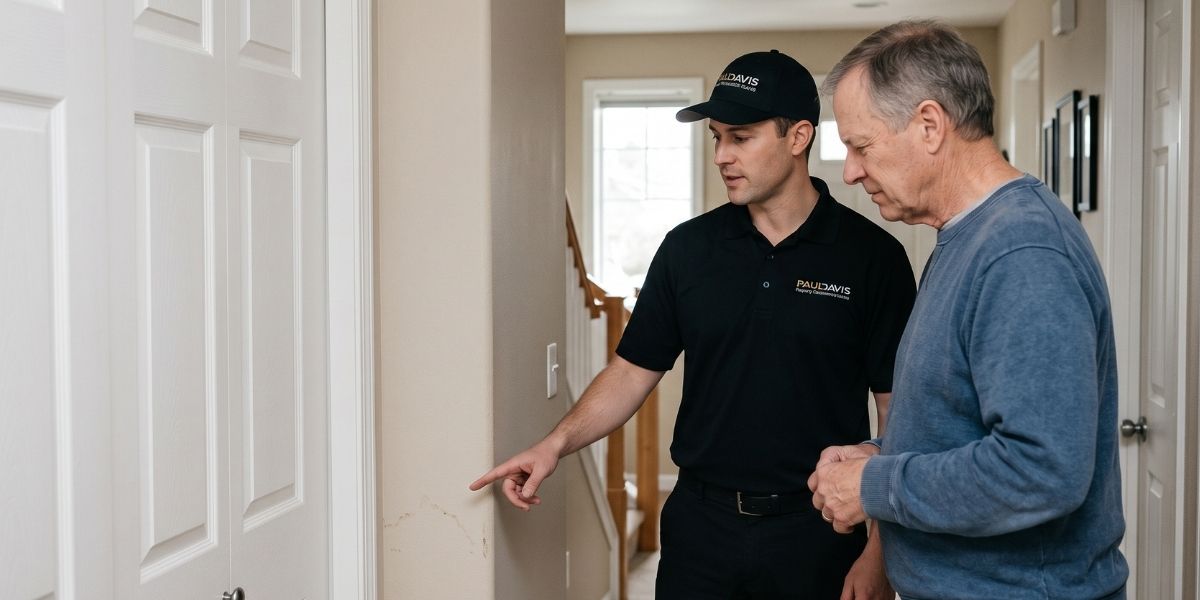
Smoke travels through open doorways, HVAC systems, and ceiling cavities. As it cools, it leaves soot on walls, ceilings, furniture, electronics, and personal belongings throughout the home.
Signs smoke has spread include:
- Yellow or black stains on ceilings
- A lingering smoky odor in bedrooms or hallways
- Fine black residue on countertops or window sills
- Discolored HVAC vents
Many homeowners underestimate how far smoke can travel after a relatively small kitchen fire. Homes throughout Lake Stickney, particularly those with open floor plans common in newer developments, may experience smoke migration into multiple rooms.
Instead of attempting to wipe soot away, professional fire damage cleanup uses specialized techniques that prevent permanent staining or further contamination.
For homes requiring comprehensive fire damage restoration services, Paul Davis Restoration Greater Seattle provides thorough inspections and cleaning designed to address both visible and hidden damage.
2. Check Cabinets, Walls, and Structural Materials for Hidden Heat Damage
Cabinets may appear intact on the outside while suffering heat damage internally.
High temperatures can weaken:
- Wood framing
- Drywall
- Cabinet boxes
- Flooring adhesives
- Ceiling joists
Even if flames never reached these materials directly, prolonged heat exposure can compromise their strength.
Many homes in Lake Stickney include wood cabinetry and engineered flooring that can warp after exposure to extreme temperatures. During professional fire damage repair, restoration specialists use moisture meters, thermal imaging, and structural assessments to determine which materials can be restored and which require replacement.
Hidden damage is one of the biggest reasons homeowners should avoid beginning repairs before a complete inspection.
3. Inspect for Water Damage Left Behind After Fire Suppression
Extinguishing the fire often introduces another problem: water.
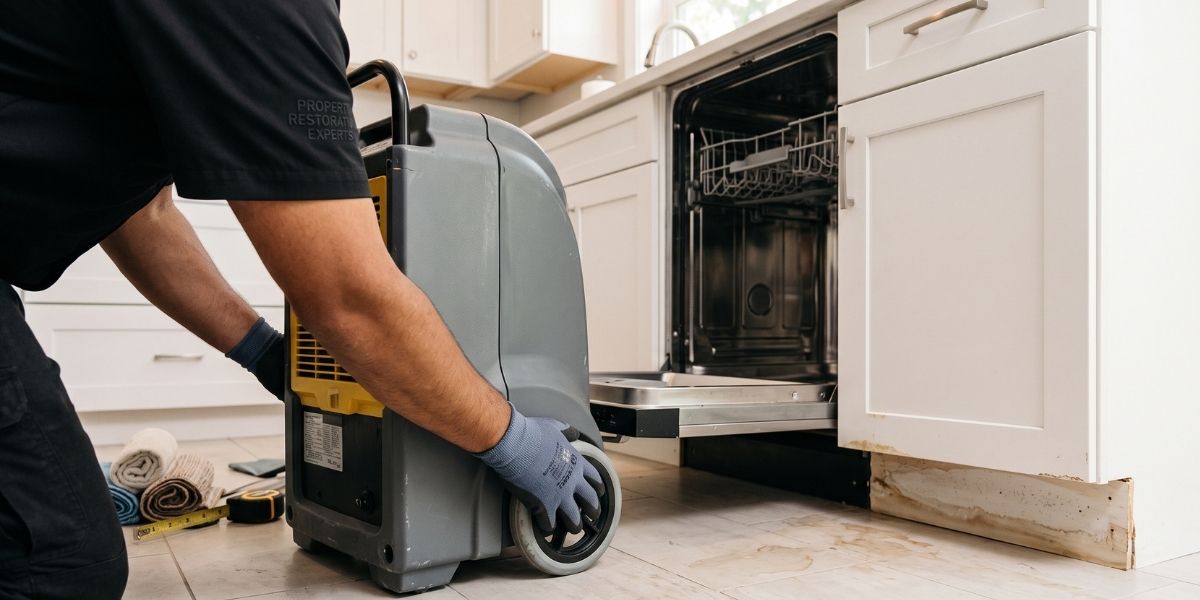
Whether firefighters used hoses or you extinguished the flames with a fire extinguisher and running water, excess moisture can quickly create additional concerns.
Check for:
- Wet drywall
- Damp insulation
- Water pooling beneath cabinets
- Buckled flooring
- Moisture inside wall cavities
In western Washington’s damp climate, trapped moisture can encourage mold growth if drying is delayed.
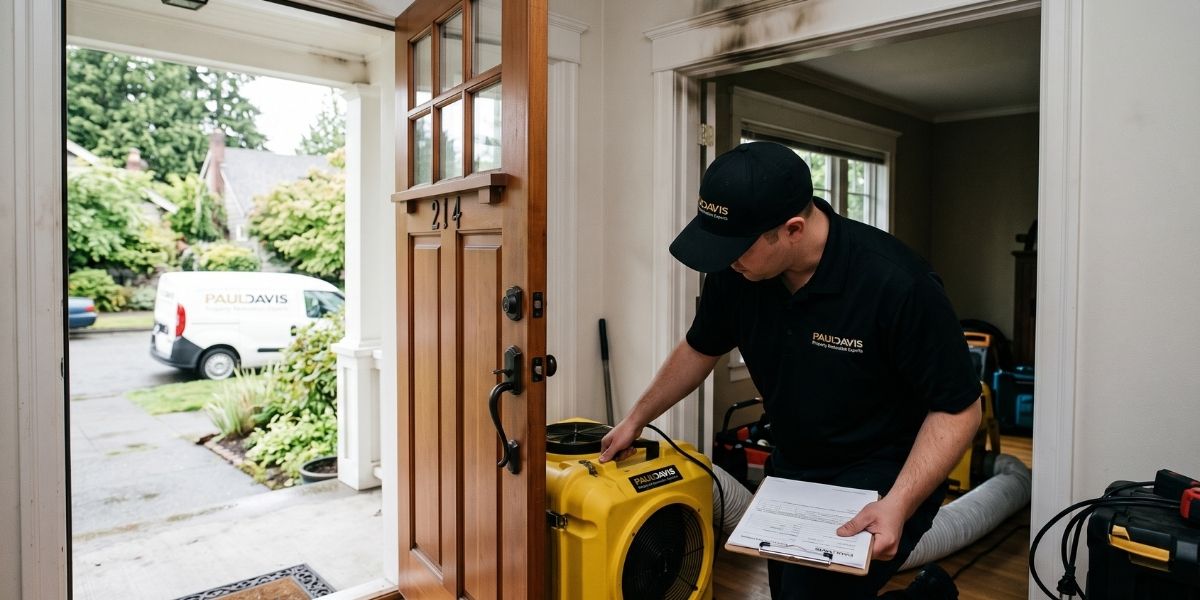
Professional emergency mitigation focuses on removing standing water, stabilizing the property, and beginning structural drying immediately. Paul Davis Restoration Greater Seattle offers 24/7 emergency response to help limit secondary damage before repairs begin.
4. Evaluate Appliances and Electrical Systems Before Turning Them Back On
Kitchen fires often involve cooking appliances, wiring, or overloaded electrical circuits.
Even if your stove appears functional afterward, hidden electrical damage may still exist.
Avoid using:
- Ovens
- Dishwashers
- Microwaves
- Garbage disposals
- Small countertop appliances connected during the fire
Heat can melt wiring insulation inside walls without leaving visible signs.
A licensed electrician should inspect the electrical system before power is restored to affected areas. Once the property is safe, professional fire damage restoration teams can coordinate repairs with qualified contractors to streamline the rebuilding process.
This coordinated approach helps homeowners avoid unnecessary delays while ensuring safety remains the top priority.
5. Document Everything Before Cleaning or Throwing Anything Away
One of the biggest mistakes homeowners make is cleaning too soon.
Insurance companies typically want documentation showing the original condition of the property before major cleanup begins.
Before removing damaged items:
- Photograph every affected room
- Take close-up photos of damaged appliances
- Save receipts for emergency expenses
- Create a written inventory of damaged belongings
- Keep damaged items whenever practical until your adjuster approves disposal
Many homeowners insurance policies cover portions of fire damage restoration, smoke cleanup, structural repairs, and contents restoration. Proper documentation helps support your claim and reduces disputes during the adjustment process.
Professional restoration companies frequently work directly with insurance carriers by providing detailed documentation, moisture readings, photographs, and repair estimates that simplify the claims process.
If smoke has affected furniture, electronics, clothing, or sentimental belongings, specialized content restoration may help recover items that might otherwise appear beyond saving.
Why Professional Fire Damage Restoration Matters
Recovering from a kitchen fire involves much more than replacing burned cabinets.
Professional fire damage restoration addresses multiple types of damage simultaneously, including smoke contamination, soot removal, deodorization, structural drying, reconstruction planning, and contents recovery.
Attempting DIY cleanup often creates additional issues because soot particles are acidic and can permanently stain surfaces when cleaned improperly.
Paul Davis Restoration Greater Seattle offers comprehensive solutions that begin with emergency stabilization and continue through reconstruction. Homeowners searching for fire damage restoration near me benefit from having one experienced team manage every phase of recovery.
The company also supports homeowners throughout nearby communities, including Seattle and Everett, while providing dedicated fire damage restoration in Lake Stickney for local homeowners recovering from residential fires.
Frequently Asked Questions
How soon should I start fire damage restoration after a kitchen fire?
Immediately after the property has been declared safe. The sooner fire damage restoration begins, the better the chances of reducing smoke damage, odor penetration, and secondary water damage.
Can smoke damage spread even if the fire stayed in the kitchen?
Yes. Smoke often travels through vents, hallways, and open rooms, affecting much more of the home than the original fire area.
Does homeowners insurance usually cover fire damage restoration?
Most standard homeowners insurance policies cover sudden fire losses, although coverage varies. Documenting damage and working with experienced restoration professionals can help support your claim.
Can my belongings be saved after a kitchen fire?
Many can. Clothing, furniture, electronics, and important documents may be recoverable through specialized cleaning and fire damage repair techniques.
Why shouldn’t I clean soot myself?
Improper cleaning can permanently damage painted surfaces, stainless steel, wood, and fabrics. Professional fire damage cleanup uses specialized equipment and cleaning agents designed specifically for soot removal.
Restore Your Lake Stickney Home with Confidence
A kitchen fire affects far more than the room where it started. Smoke, soot, hidden heat damage, and excess moisture can continue affecting your home long after the flames are out. Prompt fire damage restoration helps protect your property, supports your insurance claim, and gets your family back into a safe living environment sooner.
If your Lake Stickney home has experienced a kitchen fire, Paul Davis Restoration Greater Seattle is ready to help with emergency response, complete restoration services, content recovery, and expert guidance throughout the recovery process.